When Should You See a Physiotherapist for Back Pain?
Back pain can affect everyday activities, work, exercise and sleep. While mild…


Feb 7, 2022

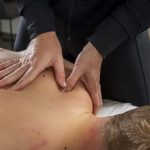
Sports massage in Marina, Dubai, is a targeted soft-tissue treatment that helps relieve muscle tension, reduce post-exercise soreness, and support recovery after physical activity. It may benefit athletes, gym-goers, runners, and people with active lifestyles who experience tight or overworked muscles.
Unlike a general relaxation massage, sports massage focuses on the muscles and soft tissues affected by specific activities or repetitive movements. Treatment is adjusted according to the individual’s symptoms, training demands, and physical condition.
“Choose Physiotherapy if you have a new, sharp, or undiagnosed injury, chronic joint or nerve pain, or need a structured rehabilitation plan to fix a movement problem. Choose Remedial Massage (or sports massage) if you are dealing with general muscle tightness, post-exercise fatigue, stress, or need maintenance between training blocks.”
At Scandinavian Physiotherapy Center DMCC, sports massage can form part of a broader approach to managing muscle discomfort and supporting physical recovery. When pain is related to an injury, a physiotherapy assessment may be necessary to identify the cause and determine the most appropriate treatment.
A sports massage uses targeted hands-on techniques to address muscle tightness and soft-tissue discomfort associated with exercise and physical activity. The therapist selects the techniques and pressure according to the person’s needs and tolerance.
Common techniques include:
Not every session requires all these techniques. The approach depends on the areas being treated, the person’s symptoms, and whether the goal is to manage post-exercise soreness, address muscle tension, or complement a rehabilitation programme.
Sports massage may help manage muscle discomfort and support recovery, particularly when physical activity places repeated demands on the body.
Repetitive exercise, prolonged training sessions, and physically demanding activities can leave muscles feeling tight or uncomfortable. Targeted massage may help reduce the sensation of tension and improve comfort during movement.
Delayed-onset muscle soreness (DOMS) commonly develops after unfamiliar or intense exercise, often becoming noticeable within 12 to 24 hours and peaking around 24 to 72 hours. Sports massage may provide short-term relief from this soreness for some individuals.
However, massage does not replace adequate rest, appropriate training progression, sleep, or other recovery measures.
Muscle tightness can make certain movements feel restricted. Sports massage, sometimes combined with stretching and mobility exercises, may help improve short-term flexibility and comfortable movement.
People who regularly participate in running, weight training, cycling, or other sports may use sports massage as one component of their recovery routine. Its benefits vary, and it should complement rather than replace appropriate exercise programming and rehabilitation.
Sports massage cannot guarantee injury prevention or accelerate the healing of every injury. Persistent pain or suspected tissue damage requires proper assessment.
Sports massage is not limited to professional athletes. It may be suitable for people whose regular activities place repeated demands on particular muscle groups.
Examples include:
Treatment should be adapted to the individual’s physical condition. If pain is severe, unexplained, or associated with a suspected muscle tear, ligament injury, or other significant injury, a clinical assessment should come before massage.
Sports massage and sports physiotherapy can complement each other, but they serve different purposes.
| Sports massage | Sports physiotherapy |
|---|---|
| Focuses primarily on soft-tissue treatment and muscle discomfort | Assesses and manages injuries, movement limitations, and functional problems |
| Uses techniques such as targeted massage and myofascial release | May include exercise rehabilitation, movement training, manual therapy, and education |
| May help manage post-exercise soreness and muscle tension | Aims to restore function and support recovery from injury |
| Does not independently diagnose or rehabilitate every injury | Can include clinical assessment and a structured rehabilitation plan |
Which treatment is more appropriate?
Sports massage may be suitable when the main concern is muscle tightness or post-exercise soreness without signs of a significant injury. Sports physiotherapy is more appropriate when pain affects movement, follows an injury, persists despite rest, or interferes with normal activities.
Depending on the assessment, a physiotherapist may recommend massage alongside strengthening exercises, mobility training, and a gradual return to sport.
For athletes recovering from an injury, returning to training should be based on symptoms, strength, movement, and functional readiness rather than massage alone.
Sports massage is not suitable for every type of pain or injury. Massage should be avoided over suspected fractures, significant acute injuries, or areas with suspected blood clots. Medical advice is also important when symptoms include unexplained swelling, redness, unusual warmth, or severe pain.
If you experience sudden calf swelling or pain, particularly with warmth or redness, seek urgent medical assessment rather than massage. Chest pain or sudden breathlessness requires emergency medical attention.
A qualified healthcare professional can help determine whether massage is appropriate or whether further investigation is needed.
If muscle tension, post-exercise soreness, or restricted movement is affecting your training or everyday activities, Scandinavian Physiotherapy Center DMCC offers physiotherapy services in Dubai, including treatment options tailored to individual needs.
The appropriate approach depends on your symptoms, physical activity, and treatment goals. Where suitable, sports massage may be incorporated into a wider recovery plan. If your symptoms suggest an injury or a functional problem, a physiotherapy assessment can help establish the next steps.
Whether you are a regular gym-goer, recreational athlete, or active professional, professional guidance can help you choose an appropriate approach to managing muscle discomfort and maintaining your activity levels.
Contact Scandinavian Physiotherapy Center DMCC to enquire about sports massage and physiotherapy services in Dubai Marina and discuss the treatment options suitable for your needs.