Why Your Body Feels Stiff After Sleeping: When Is It Normal?
Do you wake up feeling stiff, even though you felt perfectly fine…


Nov 13, 2026
Back pain can affect everyday activities, work, exercise and sleep. While mild discomfort may improve with movement and appropriate self-care, persistent, recurring or worsening pain may require professional assessment. Back Pain Physiotherapy helps identify the possible causes of discomfort, improve movement, restore strength and support a safe return to normal activities.
A physiotherapist can assess back pain related to muscle strain, poor movement patterns, sports injuries, spinal conditions and post-operative recovery. Treatment may include manual therapy, targeted exercises, mobility training and patient education, depending on the individual’s symptoms and physical condition.
At Scandinavian Physiotherapy Center (ScanPhys) in Dubai, patients receive individualized physiotherapy based on clinical assessment. Its Scandinavian-inspired approach combines hands-on treatment with structured exercise rehabilitation, helping patients work towards improved mobility, strength and long-term back health.
You should consider seeing a physiotherapist when back pain interferes with daily activities, lasts longer than expected, repeatedly returns or limits your ability to move comfortably.
An assessment is particularly useful if you experience:
You do not need to wait until back pain becomes severe before seeking professional advice. Early assessment can help identify contributing factors and determine whether physiotherapy is appropriate.
Important: Back pain accompanied by new bladder or bowel control problems, numbness around the groin or saddle area, or progressive leg weakness requires immediate medical assessment. Seek emergency care rather than waiting for a routine physiotherapy appointment. Back pain with fever, unexplained weight loss, significant trauma or a history of cancer also warrants prompt medical evaluation.
Back pain can develop for different reasons. It may involve muscles, joints, spinal structures, nerves or movement-related problems. Physiotherapy can help manage many musculoskeletal causes of back pain following an appropriate assessment.
Common conditions and complaints include:
1. Lower Back Pain
Lower back pain is one of the most common musculoskeletal complaints. It may develop from muscle strain, prolonged sitting, repetitive movements, lifting or reduced physical conditioning.
Physiotherapy can help improve lower back mobility, strengthen supporting muscles and address movement patterns that contribute to discomfort.
2. Muscle Strains and Ligament Injuries
Sudden movements, heavy lifting and sports activities can strain the muscles and ligaments supporting the spine.
Treatment may focus on reducing movement restrictions, gradually restoring strength and improving the body’s ability to tolerate everyday physical demands.
3. Sciatica and Nerve-Related Symptoms
Sciatica involves irritation or compression of the sciatic nerve or its nerve roots, potentially causing pain that travels from the lower back into the buttock and leg.
Depending on the underlying cause and clinical findings, physiotherapy may include movement modification, appropriate mobility exercises and progressive strengthening.
New or worsening neurological symptoms require medical assessment.
4. Herniated or Bulging Discs
A herniated disc occurs when material from an intervertebral disc extends beyond its normal boundaries. Some people experience back pain, while others develop nerve-related symptoms such as tingling, numbness or leg pain.
Physiotherapy may help improve movement, build supporting strength and manage physical limitations. Treatment should be guided by symptoms and clinical assessment.
5. Postural and Movement-Related Back Pain
Prolonged sitting, repetitive work activities and limited movement can contribute to back discomfort in some individuals.
Physiotherapy can identify relevant movement habits and introduce mobility exercises, strengthening and practical adjustments to everyday activities.
6. Sports-Related Back Injuries
Activities involving running, weightlifting, twisting and repetitive spinal movements can place physical demands on the back.
Sports injury physiotherapy can assess the affected structures, identify functional limitations and develop a progressive rehabilitation programme.
Back pain physiotherapy begins with an individual clinical assessment. The physiotherapist evaluates the patient’s symptoms, movement, strength and functional limitations before recommending an appropriate treatment programme.
The rehabilitation process generally involves the following stages.
The physiotherapist discusses the patient’s medical history, pain symptoms, previous injuries, activity levels and daily physical demands.
The assessment may include:
If the findings suggest a condition requiring further medical investigation, the physiotherapist may recommend referral to an appropriate healthcare professional.
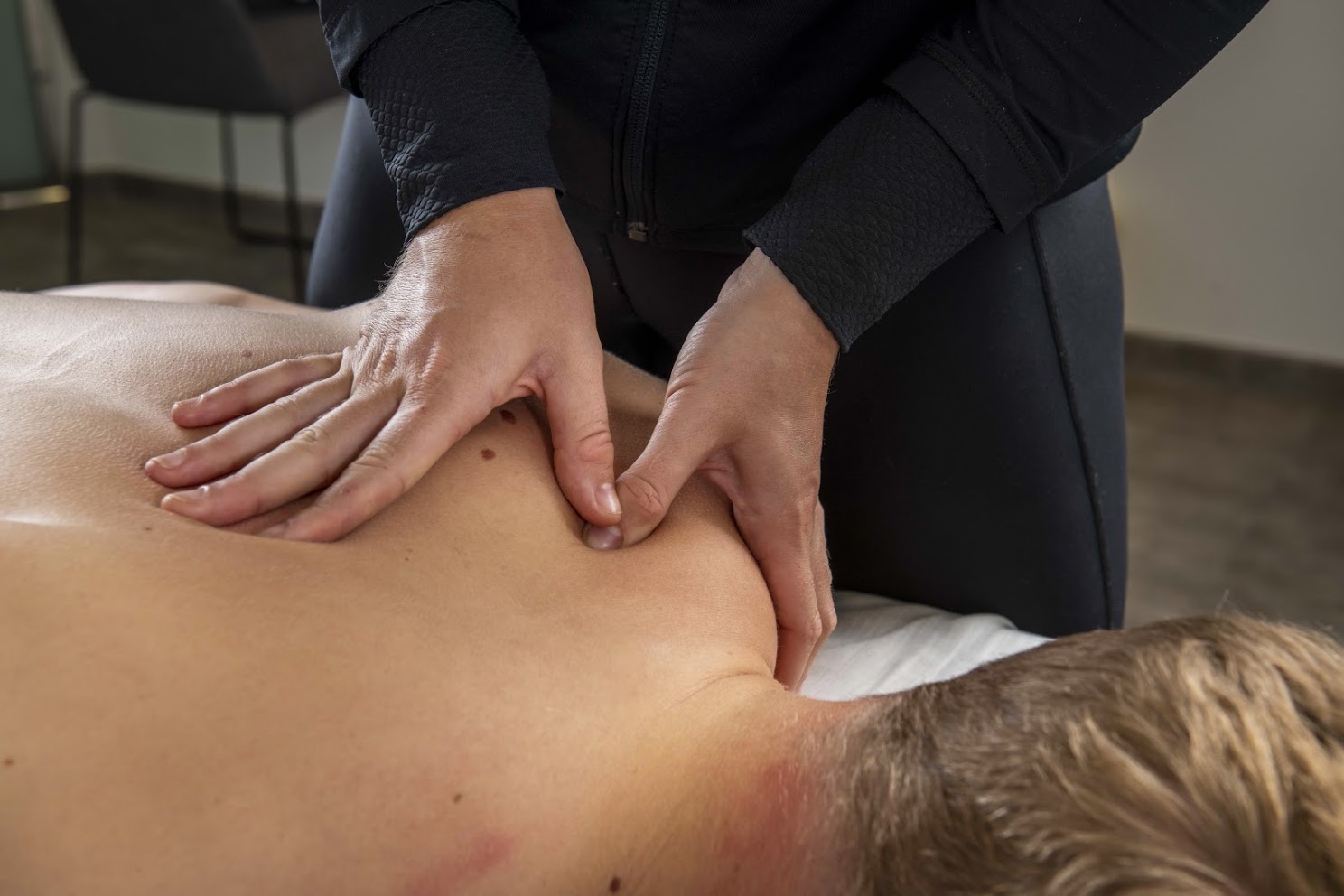
Manual therapy involves hands-on techniques used to address movement restrictions, joint stiffness and muscular discomfort.
Depending on the patient’s condition, treatment may include soft tissue techniques, joint mobilisation and other appropriate manual interventions.
At ScanPhys, manual therapy is combined with active rehabilitation rather than used as the only treatment method.
Exercise rehabilitation is an important part of managing back pain.
The physiotherapist selects exercises according to the patient’s physical capacity, symptoms and rehabilitation goals.
These may include:
Exercises are progressed gradually as the patient’s movement control, strength and tolerance improve.
The next stage focuses on improving the ability to perform everyday activities.
Depending on the patient’s needs, rehabilitation may include practising safe lifting techniques, improving walking tolerance, building endurance and restoring movement confidence.
For physically active patients, functional rehabilitation may also include sport-specific movements and progressive loading.
Physiotherapy also helps patients understand the factors that may contribute to back pain.
Patients can receive guidance on movement habits, exercise progression, workstation adjustments, lifting techniques and strategies for maintaining physical activity.
The objective is to support better self-management and reduce avoidable movement-related problems.
At Scandinavian Physiotherapy Center (ScanPhys), back pain rehabilitation follows a Scandinavian-inspired physiotherapy approach that combines individual clinical assessment, hands-on treatment and structured exercise rehabilitation.
Rather than applying the same exercises or techniques to every patient, the physiotherapy team considers the patient’s symptoms, physical condition, medical history and rehabilitation goals.
The treatment approach includes:
Individual Clinical Assessments
Each rehabilitation programme starts with an assessment to understand the patient’s symptoms, movement limitations and functional requirements. This helps the physiotherapist select appropriate treatment methods and establish realistic rehabilitation goals.
Manual Therapy Combined with Exercise Rehabilitation
Hands-on treatment may be used to address relevant movement restrictions and muscular discomfort. This is complemented by structured exercises to improve strength, mobility, stability and functional capacity.
Personalised Treatment Programmes
Treatment plans are adapted to individual needs. Someone experiencing lower back stiffness from prolonged sitting may require a different programme from an athlete recovering from a sports injury or a patient following surgery.
Patient Education and Injury Prevention
Patients receive practical guidance on maintaining movement, performing exercises correctly and managing physical demands. Education supports active participation throughout rehabilitation.
Sports Injury Assessment and Recovery
For patients whose back pain is related to sports or exercise, the physiotherapist assesses movement, strength and activity-specific requirements. Rehabilitation can then progress towards safely returning to training and sport.
Post-Operative Rehabilitation
Patients recovering from relevant surgical procedures may require supervised rehabilitation to restore mobility, strength and functional movement. The programme follows the surgeon’s instructions and the patient’s recovery stage.
Choosing a physiotherapy provider involves considering clinical expertise, treatment methods and the ability to develop a programme around individual needs.
Scandinavian Physiotherapy Center offers:
This approach supports patients who need more than temporary symptom management and want to work towards better physical function and long-term movement health.
The physiotherapist’s clinical experience and area of specialisation are important considerations when selecting treatment for back pain.
Different back conditions may require different assessment methods and rehabilitation strategies. For example, an individual with sports-related lower back pain may have different requirements from someone recovering from spinal surgery.
ScanPhys has experienced physiotherapists with clearly documented clinical specialisations. This allows patients to understand the team’s areas of expertise and identify the appropriate professional for their rehabilitation needs.
The physiotherapist considers the patient’s condition, medical history and functional goals when planning treatment. Where necessary, rehabilitation is coordinated with other healthcare professionals to support appropriate patient care.
Recovery from back pain varies depending on its cause, severity, duration and the patient’s overall physical condition. There is no single rehabilitation timeline that applies to everyone.
However, physiotherapy commonly follows several progressive stages.
Stage 1: Assessment and Symptom Management
The initial stage focuses on understanding the condition, identifying movement limitations and selecting appropriate strategies to manage symptoms.
The physiotherapist may introduce gentle movement, activity modifications and suitable exercises.
Stage 2: Mobility and Strength Development
As the patient progresses, treatment may place greater emphasis on improving spinal mobility, flexibility, core strength and muscular endurance.
Exercises are adjusted according to the patient’s response and physical capacity.
Stage 3: Functional Strength and Movement Control
The programme progresses towards activities that reflect the patient’s daily requirements. These may include lifting, bending, walking for longer periods or returning to regular exercise.
Stage 4: Return to Normal Activities and Injury Prevention
The final stage focuses on maintaining progress and improving the patient’s ability to manage physical demands.
Patients may receive a home exercise programme and guidance on maintaining strength, mobility and healthy movement habits.
Progress is reviewed throughout treatment, and the rehabilitation programme is adjusted when necessary.
You should consider seeing a physiotherapist if lower back pain persists, repeatedly returns or interferes with everyday activities. An assessment can help identify movement limitations and determine whether physiotherapy is suitable.
Yes. Physiotherapy can help people manage chronic back pain through individualised exercise programmes, movement rehabilitation, appropriate manual therapy and patient education. Treatment aims to improve physical function and support long-term self-management.
Physiotherapists can assess and manage many cases of sciatica. Treatment may include appropriate exercises, movement modifications and other rehabilitation techniques depending on the underlying cause and neurological findings.
Not everyone with back pain requires manual therapy. It may be included when clinically appropriate, usually alongside exercise and functional rehabilitation. The treatment approach depends on the patient’s assessment findings.
The number of sessions depends on the condition, symptom duration, physical limitations and individual rehabilitation goals. Some patients may need a short course of treatment, while more complex or persistent conditions may require longer rehabilitation.
In many cases, maintaining appropriate physical activity is helpful. However, exercises should be adjusted according to symptoms and physical capacity. Avoid movements that significantly aggravate symptoms, and seek professional advice about suitable activities.
Physiotherapy can help address contributing movement limitations, improve strength and develop better exercise habits. Patient education and ongoing physical activity may also support long-term back health, although recurrence cannot always be prevented.
Not necessarily. Many cases of back pain can initially be assessed through clinical history and physical examination. Imaging is generally considered when medically indicated, based on symptoms and clinical findings.
Yes, post-operative physiotherapy can support rehabilitation after relevant back or spinal surgery. The programme must follow the surgeon’s instructions and consider the procedure performed, healing stage and individual recovery requirements.
Scandinavian Physiotherapy Center (ScanPhys) provides physiotherapy services in Dubai at Platinum Tower, Jumeirah Lakes Towers (JLT). Patients can contact the clinic to arrange an assessment and discuss an appropriate rehabilitation programme.
Back pain should not be ignored when it begins to affect your mobility, work, exercise or everyday activities. A professional assessment can help identify contributing factors and establish an appropriate rehabilitation plan.
At Scandinavian Physiotherapy Center in Dubai, patients receive individual clinical assessments and personalised physiotherapy programmes combining manual therapy, structured exercise rehabilitation and patient education.
Whether you are experiencing recurring lower back pain, recovering from a sports injury or returning to movement after surgery, the ScanPhys team can assess your needs and recommend an appropriate treatment approach.
Book your physiotherapy assessment at ScanPhys in JLT, Dubai, and take the next step towards improved mobility, strength and physical function.