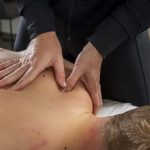
When Should You See a Physiotherapist for Back Pain?
Back pain can affect everyday activities, work, exercise and sleep. While mild…


Dec 12, 2025

Physiotherapy and exercise therapy play an important role in managing musculoskeletal conditions, recovering from injuries, improving physical function and maintaining mobility. Both approaches use physical activity and targeted interventions to help individuals improve their movement, strength and ability to perform everyday activities.
As healthcare research and technology continue to develop, physiotherapy is incorporating new ways to assess patients, deliver treatment and monitor rehabilitation progress.
Developments in wearable technology, virtual rehabilitation, telehealth, personalised exercise programmes and clinical data analysis are influencing how physiotherapists deliver care.
Understanding these developments helps patients and healthcare professionals distinguish between established rehabilitation methods and emerging technologies.
Technology is increasingly being used to support physiotherapy assessment, treatment and progress monitoring. These tools can provide additional information about physical activity and movement, but they do not replace clinical assessment or professional guidance.
Wearable devices, including smartwatches, fitness trackers and activity monitors, can collect information about daily physical activity.
Depending on the device, measurements may include:
Physiotherapists may use this information to help patients monitor activity levels, establish realistic exercise targets and understand changes in physical activity during rehabilitation.
For example, someone recovering from knee surgery may use an activity tracker to monitor walking activity and gradually increase movement according to their rehabilitation plan.
However, wearable measurements are not always clinically accurate. They should be interpreted alongside physical assessments, symptoms and functional progress rather than used as the sole measure of recovery.
Virtual reality (VR) uses computer-generated environments that allow patients to interact with simulated activities. Augmented reality (AR) adds digital information to the user’s view of the real environment.
These technologies are being investigated and used in selected rehabilitation settings, particularly neurological rehabilitation, balance training and movement exercises.
VR-based rehabilitation can provide interactive tasks that encourage patients to practise specific movements repeatedly. For example, a patient recovering from a stroke may perform reaching, coordination or balance activities within a virtual environment.
Potential benefits include:
However, VR and AR are not necessary for every patient. Their effectiveness depends on the rehabilitation condition, treatment objectives and quality of the exercise programme.
Telehealth allows physiotherapists to provide consultations, exercise instruction and rehabilitation guidance remotely through video calls and digital platforms.
Remote physiotherapy can be particularly useful for patients who have difficulty travelling to a clinic, live far from healthcare facilities or need follow-up support between appointments.
A remote session may involve:
Telehealth can support the management of certain musculoskeletal conditions, including lower back pain, when remote assessment is clinically appropriate.
However, some conditions require hands-on examination, physical testing or additional medical investigation. In these cases, an in-person assessment may be necessary.
One important development in physiotherapy is the emphasis on individualised treatment rather than applying the same exercise programme to every patient.
People differ in age, physical capacity, medical history, symptoms and rehabilitation goals. A treatment programme should therefore reflect these differences.
Personalised exercise therapy involves selecting and adjusting exercises according to a patient’s physical condition, functional limitations and treatment objectives.
For example:
The programme should be reviewed regularly to ensure that exercise intensity, duration and difficulty remain appropriate.
Individualisation is important because exercise that is suitable for one patient may be too demanding or ineffective for another.
Physiotherapists use clinical assessments to determine which exercises are appropriate and how they should progress.
Assessments may include:
The findings help establish rehabilitation goals and provide a basis for measuring progress.
Progressive exercise loading is particularly important. It involves gradually increasing exercise demands as the patient’s strength, movement control and physical tolerance improve.
Physical rehabilitation can be influenced by more than muscle strength and joint movement. Sleep, stress, confidence, motivation and psychological well-being may also affect how individuals experience pain and participate in rehabilitation.
Pain is influenced by biological, psychological and social factors. This is particularly relevant for persistent musculoskeletal conditions such as chronic lower back pain.
Stress, poor sleep, fear of movement and reduced confidence can influence pain perception and physical activity.
Physiotherapists may therefore incorporate patient education, graded physical activity and strategies to improve confidence in movement.
Relaxation techniques and breathing exercises may also help some patients manage stress and improve their ability to participate in rehabilitation.
These approaches complement physical treatment but do not replace appropriate medical or psychological care when needed.
Massage and manual therapy are sometimes incorporated into physiotherapy programmes to address muscle discomfort, stiffness and movement limitations.
Depending on the patient’s condition, techniques may include:
These interventions may provide short-term symptom relief for some musculoskeletal conditions. However, they are generally more useful when combined with active rehabilitation rather than used as standalone treatments.
Specialised treatments such as deep tissue massage or lymphatic drainage massage are not suitable for every patient. Their use should depend on the individual’s clinical condition and treatment objectives.
Physiotherapy is not limited to treating injuries or managing existing medical conditions. It also contributes to physical activity promotion and the prevention of functional decline.
Community-based exercise programmes can encourage people to become more physically active and maintain healthier movement habits.
Group exercise programmes provide opportunities for individuals to participate in structured physical activity with professional guidance.
Depending on the programme, activities may include:
Group programmes can provide social support and encouragement, which may improve participation and exercise adherence.
However, exercises should still be adapted to individual physical abilities and health requirements.
Regular physical activity is associated with several health benefits, including improved cardiovascular fitness, muscle strength, bone health and metabolic function.
The World Health Organization recommends that adults undertake at least 150 to 300 minutes of moderate-intensity aerobic activity per week, alongside muscle-strengthening activities on two or more days.
Physiotherapists can help individuals identify appropriate activities, particularly those who have existing injuries, chronic conditions or mobility limitations.
Physiotherapy treatment should be guided by scientific research, clinical expertise and individual patient needs.
Evidence-based practice involves combining the best available research with professional assessment and the patient’s preferences and circumstances.
Clinical research continues to examine how different rehabilitation approaches affect pain, strength, mobility and physical function.
Research areas include:
Research findings help physiotherapists evaluate which interventions are effective for particular conditions and identify treatments that may have limited clinical benefit.
Digital assessment tools and clinical data systems can help physiotherapists monitor changes in patient performance over time.
Measurements may include walking speed, joint movement, muscle strength, exercise completion and functional ability.
These measurements can help identify improvements, assess treatment response and guide adjustments to rehabilitation programmes.
Although artificial intelligence and predictive analytics are being explored in healthcare, their ability to predict individual sports injuries or rehabilitation outcomes remains an evolving research area.
Clinical decisions should not rely on automated predictions alone. Patient assessment and professional judgement remain essential.
Developments in physiotherapy are creating additional ways to assess movement, deliver exercise programmes and monitor rehabilitation progress.
However, effective physiotherapy does not depend on using the newest equipment or technology. The most important factors remain an accurate assessment, appropriate treatment selection, progressive exercise and consistent patient participation.
Technology and digital tools can improve access to information and support rehabilitation, but they should complement established clinical practices.
At Scandinavian Physiotherapy Center DMCC in Dubai, rehabilitation programmes are developed around individual conditions, physical abilities and recovery goals.
Our physiotherapy services focus on clinical assessment, therapeutic exercise, movement rehabilitation and appropriate treatment techniques to help patients improve physical function.
Whether you are recovering from an injury, managing persistent back pain or working to improve mobility, an individualised physiotherapy programme can help address your specific rehabilitation needs.
Contact Scandinavian Physiotherapy Center DMCC to discuss your rehabilitation requirements and arrange a physiotherapy consultation.