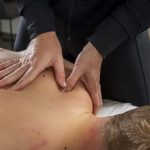
When Should You See a Physiotherapist for Back Pain?
Back pain can affect everyday activities, work, exercise and sleep. While mild…


Aug 29, 2021

Physiotherapy for knee pain helps reduce symptoms, improve joint movement, and restore the strength needed for everyday activities. Treatment is based on the underlying cause of the pain and may include targeted exercises, mobility training, manual therapy, and guidance on modifying activities that place excessive stress on the knee.
Knee pain can develop gradually or occur suddenly following an injury. Common causes include osteoarthritis, tendon problems, ligament injuries, meniscal damage, overuse, and reduced muscle strength. Because these conditions affect the knee in different ways, identifying the cause is an important first step towards effective treatment.
Physiotherapy aims to improve how the knee functions while addressing factors that contribute to pain and restricted movement. Rather than treating every case of knee pain in the same way, a physiotherapist develops a treatment plan based on the patient’s symptoms, physical assessment, medical history, and functional limitations.
Treatment may involve several approaches:
The combination of treatments depends on the diagnosis and the patient’s response to rehabilitation. Physiotherapy can help manage many knee conditions, although it cannot reverse every type of structural damage or eliminate the need for surgery in all cases.
Before recommending treatment, a physiotherapist assesses the knee and its surrounding structures to understand what may be causing the pain.
The assessment commonly includes:
1. Reviewing symptoms and medical history
The physiotherapist asks when the pain started, where it occurs, what makes it worse, and whether there has been an injury, swelling, stiffness, or previous knee treatment.
2. Examining movement and strength
The assessment may include checking knee flexibility, muscle strength, joint movement, balance, walking patterns, and the ability to perform everyday movements.
3. Identifying functional limitations
Activities such as standing from a chair, walking, climbing stairs, or squatting may be assessed when appropriate. These movements can help identify limitations that need to be addressed during rehabilitation.
4. Developing an individual treatment plan
Based on the findings, the physiotherapist recommends suitable treatment and explains how rehabilitation can progress. Medical evaluation or imaging may be necessary when the symptoms suggest a more serious injury or another condition requiring further investigation.
Physiotherapy is used to manage several knee conditions, but the treatment approach varies according to the underlying problem.
Knee osteoarthritis involves changes to the joint that can cause pain, stiffness, and reduced mobility. Physiotherapy commonly focuses on strengthening the surrounding muscles, improving movement, and helping patients maintain their ability to walk and perform daily activities.
Exercise-based rehabilitation can improve pain and physical function for many people with knee osteoarthritis. The programme should be adjusted to the person’s symptoms and physical capabilities.
Sports injuries may affect the ligaments, meniscus, tendons, or other structures around the knee. Depending on the injury, physiotherapy may help restore movement, rebuild muscle strength, improve balance, and prepare the patient to return to physical activity.
Some injuries require medical assessment before rehabilitation begins. Severe ligament injuries, fractures, and certain meniscal injuries may need specialist treatment or surgery.
Repeated running, jumping, kneeling, or other demanding activities can place excessive stress on the tissues around the knee. Treatment may involve temporarily adjusting the activity that triggers the pain, improving strength and movement control, and gradually increasing activity as symptoms improve.
Returning to the same activity too quickly may aggravate symptoms, so rehabilitation should progress according to the patient’s response.
Stiffness can make it difficult to bend or straighten the knee comfortably. A physiotherapist may use appropriate mobility exercises, strengthening work, and selected hands-on techniques to improve movement and support daily function.
Persistent stiffness, particularly when accompanied by significant swelling or locking, requires appropriate medical assessment.
Recovery time depends on the cause of the pain, the severity of the injury or condition, the patient’s general health, and their response to treatment. Mild symptoms associated with overuse may improve within days or weeks, while significant injuries and long-term conditions may require several weeks or months of rehabilitation.
Recovery generally involves gradually improving movement, strength, and tolerance for everyday activities. Progress is assessed according to functional improvements rather than pain levels alone.
For example, a patient may initially focus on walking comfortably before progressing to stairs, longer walks, gym exercises, or sports-specific movements.
Persistent or worsening symptoms may require the physiotherapist to reassess the treatment plan or recommend further medical investigation. Following professional guidance and completing the recommended rehabilitation programme can help support recovery, although outcomes vary between individuals.
Physiotherapy may be appropriate for many cases of knee pain, but some symptoms require prompt medical assessment before starting rehabilitation.
Seek urgent medical attention if you experience severe pain following an injury, a visibly deformed knee, substantial swelling, an inability to bear weight, or a hot, red knee accompanied by fever. A knee that locks or repeatedly gives way also warrants professional assessment.
If knee pain persists, returns frequently, or interferes with walking and other daily activities, consult a healthcare professional to determine the cause and discuss suitable treatment.
Scandinavian Physiotherapy Center DMCC provides physiotherapy services in Dubai for individuals experiencing pain, stiffness, reduced mobility, and movement difficulties. Treatment recommendations are based on an assessment of the patient’s condition, symptoms, and rehabilitation goals.
For people experiencing knee pain, physiotherapy may include individualised strengthening exercises, mobility training, movement assessment, and other appropriate rehabilitation techniques. The aim is to improve physical function, help manage symptoms, and support a safe return to daily activities.
If knee pain is affecting your mobility or quality of life, contact Scandinavian Physiotherapy Center DMCC to arrange a consultation and discuss the most appropriate next steps for your condition.