When Should You See a Physiotherapist for Back Pain?
Back pain can affect everyday activities, work, exercise and sleep. While mild…


Jan 26, 2021

Arthritis is a group of conditions that affect the joints, causing symptoms such as pain, stiffness, swelling and reduced mobility. Depending on the type of arthritis, symptoms may develop gradually or occur in episodes of increased inflammation and discomfort.
Two common forms are osteoarthritis and rheumatoid arthritis. Osteoarthritis involves changes in the entire joint, including cartilage, bone and surrounding tissues. Rheumatoid arthritis is an autoimmune inflammatory condition in which the immune system mistakenly attacks the lining of the joints, causing inflammation and potentially joint damage.
Although these conditions have different causes, both can affect movement, muscle strength and the ability to perform everyday activities.
Physiotherapy plays an important role in arthritis management by improving joint function, maintaining muscle strength, reducing physical limitations and supporting mobility. It is often used alongside medical treatment to help people manage symptoms and remain physically active.
Here are five physiotherapy-supported approaches that can help people with arthritis.
Heat and cold applications are commonly used to provide temporary relief from certain arthritis symptoms. Their suitability depends on the affected joint, the type of arthritis and the individual’s symptoms.
Heat therapy may help relieve joint stiffness and improve comfort before movement or exercise. Examples include warm compresses, heating pads and warm-water therapy.
Cold therapy may help temporarily reduce pain and provide comfort when a joint feels swollen or inflamed. Cold packs can be applied for short periods with a protective layer between the pack and the skin.
A physiotherapist can recommend appropriate application methods and duration. Neither treatment addresses the underlying cause of arthritis, and both should be used as supportive measures rather than replacements for medical treatment.
Therapeutic exercise is one of the most important evidence-supported approaches to managing arthritis, particularly osteoarthritis.
Joint pain can lead people to reduce physical activity. However, prolonged inactivity may contribute to muscle weakness, reduced joint mobility and decreased physical capacity.
A structured exercise programme can help:
Depending on the individual’s condition and physical capacity, a physiotherapist may recommend:
Strengthening exercises: Targeted exercises help improve the strength of muscles surrounding affected joints, supporting better movement and joint function.
Range-of-motion exercises: Gentle movements help maintain joint mobility and reduce limitations associated with stiffness.
Aerobic exercise: Walking, cycling and swimming can improve cardiovascular fitness and physical endurance.
Aquatic exercise: Exercising in water reduces the weight-bearing demands placed on the joints, making movement more comfortable for some people with arthritis.
Exercise should be adjusted according to symptoms, joint involvement and disease activity. Some discomfort may occur when beginning a new programme, but persistent or significantly increased pain should prompt a review of the exercises.
Managing arthritis involves more than attending physiotherapy sessions. Daily activities, physical activity levels and other health factors can influence symptoms and physical function.
Physiotherapists can provide practical guidance on:
Weight management may also be relevant, particularly for people with osteoarthritis affecting weight-bearing joints such as the knees and hips. Evidence shows that weight reduction in people who are overweight or living with obesity can improve pain and physical function.
Nutrition is another aspect of general health. A balanced dietary pattern containing vegetables, fruits, whole grains, healthy fats and appropriate protein supports overall health. However, no specific diet has been proven to cure arthritis or replace prescribed treatment.
For individual nutritional advice, a registered dietitian can provide appropriate guidance.
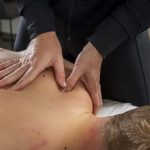
Manual therapy involves hands-on techniques used by physiotherapists to address movement restrictions, muscle tension and discomfort.
Depending on the condition and clinical assessment, treatment may include:
These techniques may provide short-term improvements in comfort and movement for some individuals.
However, manual therapy should not be considered a standalone treatment for arthritis. For hip and knee osteoarthritis, clinical guidance recommends considering manual therapy only alongside therapeutic exercise.
It is also important to adapt hands-on treatment when joints are actively inflamed, swollen or particularly sensitive. Manual techniques do not reverse cartilage loss or stop the underlying autoimmune process in rheumatoid arthritis.
In addition to exercise and manual therapy, physiotherapists may use other interventions depending on the patient’s diagnosis and clinical needs.
These can include:
Taping: Certain taping techniques may provide temporary support or improve comfort during movement in selected cases.
Bracing and orthoses: Joint supports may be appropriate for some people with instability, abnormal joint loading or specific functional limitations.
Aquatic therapy: Water-based rehabilitation can make exercise more comfortable by reducing the effects of gravity and weight-bearing forces.
It is important to distinguish between supportive treatments and interventions with strong clinical evidence. Treatments such as therapeutic ultrasound and low-level laser therapy are sometimes offered in physiotherapy settings, but NICE guidance does not recommend these as routine treatments for osteoarthritis because evidence of meaningful benefit is insufficient.
The choice of treatment should be based on the diagnosis, clinical evidence and individual rehabilitation goals.
Arthritis can affect more than the joints themselves. Persistent pain and reduced activity can contribute to muscle weakness, decreased endurance, balance difficulties and limitations in everyday movement.
Physiotherapy addresses these functional problems through structured rehabilitation.
The main goals include:
For rheumatoid arthritis, physiotherapy is part of a wider multidisciplinary treatment plan. Disease-modifying antirheumatic drugs (DMARDs), prescribed by a rheumatologist, are important for controlling the underlying inflammatory disease and reducing the risk of joint damage. Physiotherapy complements medical treatment but does not replace it.
Consider a physiotherapy assessment if arthritis symptoms are affecting your ability to walk, climb stairs, exercise, work or perform everyday activities.
A physiotherapist can assess joint mobility, muscle strength, balance, movement patterns and functional limitations. This information helps guide an individual rehabilitation programme.
If a joint becomes suddenly very painful, hot and swollen, particularly when accompanied by fever or feeling generally unwell, seek urgent medical assessment. These symptoms can indicate an infection or another condition requiring prompt treatment.
Arthritis does not mean that physical activity and movement must stop. With an appropriate treatment plan, many people can improve their strength, maintain mobility and manage the physical effects of the condition.
At Scandinavian Physiotherapy Center DMCC, our physiotherapy team in Dubai provides individualised rehabilitation based on each patient’s condition, symptoms and functional needs.
Treatment may include therapeutic exercise, mobility training, strengthening programmes and appropriate manual therapy to support joint function and everyday movement.
If arthritis is affecting your mobility or quality of life, professional assessment can help determine which rehabilitation approaches are suitable for your condition.
Contact Scandinavian Physiotherapy Center DMCC at +971 4 551 6126 to book a physiotherapy consultation.