When Should You See a Physiotherapist for Back Pain?
Back pain can affect everyday activities, work, exercise and sleep. While mild…


Dec 29, 2019

Musculoskeletal pain affects the muscles, bones, joints, tendons, ligaments and other supporting tissues of the body. It can develop following an injury, repetitive physical activity, prolonged inactivity or an underlying medical condition. Common examples include lower back pain, neck pain, shoulder pain, muscle strains, joint pain and tendon disorders.
The severity and duration of musculoskeletal pain vary. Some cases improve with appropriate activity modification and exercise, while others require medical assessment and structured rehabilitation.
Musculoskeletal physiotherapy helps manage these conditions through clinical assessment, therapeutic exercise, movement training and selected hands-on treatments. The treatment approach depends on the source of symptoms, physical limitations and individual recovery goals.
Musculoskeletal pain can have several causes. It may result from damage or irritation to a particular tissue, changes in joint function, inflammation, repetitive loading or conditions affecting the bones and connective tissues.
Common causes include:
A muscle strain occurs when muscle fibres or the muscle-tendon unit are overstretched or torn. It can happen during lifting, running, sudden movements or activities that exceed the muscle’s current capacity. Symptoms may include localised pain, tenderness, swelling and reduced strength.
Ligaments connect bones and help stabilise joints. A sprain occurs when a ligament is stretched or torn, commonly following a sudden twist, fall or awkward landing. Ankle and knee sprains are frequent examples.
Arthritis describes conditions that affect the joints. Osteoarthritis involves changes to joint cartilage and surrounding structures, while inflammatory conditions such as rheumatoid arthritis involve immune-system activity. Symptoms can include joint pain, stiffness, swelling and reduced movement.
Tendons connect muscles to bones and transmit forces during movement. Repetitive loading or insufficient recovery can contribute to tendon pain and reduced load tolerance, a condition commonly described as tendinopathy. It frequently affects the shoulder, elbow, knee and Achilles tendon.
Cartilage helps protect joint surfaces and distribute loads. Injuries involving structures such as the knee meniscus can cause pain, swelling and restricted movement. Symptoms depend on the affected structure and injury severity.
A fracture is a break in a bone, while a dislocation occurs when bones forming a joint move out of their normal position. Both require appropriate medical assessment. Physiotherapy may form part of recovery after the injury has been stabilised.
Back pain can involve muscles, joints, intervertebral discs, nerves and other structures. It may develop following physical strain or occur without a clearly identifiable structural cause. Poor posture alone does not explain every case of back pain.
Osteoporosis reduces bone strength and increases susceptibility to fractures. Some fractures, particularly vertebral compression fractures, can cause significant back pain and changes in posture.
Scoliosis is a condition involving a sideways curvature of the spine. Its effects vary according to the degree of curvature and individual circumstances. Not every person with scoliosis experiences pain or requires treatment.
Musculoskeletal pain can also be influenced by physical deconditioning, sleep quality, stress, previous injuries and other health factors. In some cases, the precise source of pain cannot be identified through examination or imaging alone.
An accurate assessment helps determine the most appropriate treatment approach.
A physiotherapist generally reviews:
Location, duration and nature of the pain.
Previous injuries and relevant medical history.
Joint mobility and range of motion.
Muscle strength and endurance.
Balance and movement control.
Functional limitations during daily activities.
Factors that increase or reduce symptoms.
Depending on the findings, further medical investigation or imaging may be necessary. However, imaging is not routinely required for every case of musculoskeletal pain.
Certain symptoms require prompt medical assessment, including severe pain following trauma, unexplained fever, progressive neurological weakness, or new bladder or bowel dysfunction associated with back pain.
Musculoskeletal physiotherapy focuses on improving physical function, managing symptoms and helping individuals return to their usual activities.
Treatment depends on the underlying condition and may combine therapeutic exercises, education and selected hands-on techniques.
Exercise is a central component of musculoskeletal rehabilitation. It helps improve muscle strength, endurance, joint mobility and physical capacity.
A physiotherapist may prescribe:
Strengthening exercises.
Mobility and flexibility exercises.
Balance and coordination training.
Core and trunk conditioning.
Functional movement exercises.
Exercise programmes are adjusted according to the individual’s condition, symptoms and physical ability. Progressive loading helps the body gradually adapt to increasing physical demands.
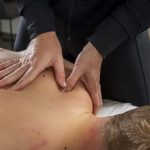
Manual therapy involves hands-on techniques used to address pain, stiffness and movement limitations.
Depending on the condition, a physiotherapist may use joint mobilisation, soft tissue techniques or other manual interventions.
Manual therapy may provide short-term symptom relief and improve movement. However, it is generally most useful when combined with appropriate exercise and patient education rather than used as a standalone treatment.
Deep tissue massage applies sustained pressure and manual techniques to selected soft tissues.
It may help some individuals manage muscle tension and temporary soreness. It can also provide short-term relief from certain musculoskeletal symptoms.
However, massage does not directly repair damaged ligaments, tendons or spinal discs. Its suitability depends on the injury, symptoms and medical history.
Trigger point therapy targets areas of muscle tenderness that may be associated with referred pain or discomfort.
A therapist may apply controlled pressure or other manual techniques to these areas. Some individuals experience temporary symptom relief, although the underlying mechanisms and diagnostic reliability of trigger points remain subjects of scientific debate.
Dry needling involves inserting fine, sterile needles into selected muscles or soft tissues.
It may be used as an additional treatment for certain musculoskeletal pain conditions. Research suggests it can provide short-term pain relief in some cases, but results vary depending on the condition and individual.
Dry needling should be performed by an appropriately trained healthcare professional and used alongside a broader rehabilitation programme when indicated.
Reducing pain is only one part of musculoskeletal rehabilitation. Restoring strength, movement and physical capacity is also important.
Appropriate exercise can help:
Improve muscle strength and endurance.
Maintain joint mobility.
Increase tolerance to physical activity.
Improve balance and coordination.
Support daily functional activities.
Reduce the impact of physical deconditioning.
Physiotherapy also provides education about activity modification, recovery, movement habits and ways to manage recurring symptoms.
Musculoskeletal physiotherapy in Dubai can help individuals manage back pain, neck pain, joint problems, muscle injuries and other movement-related conditions.
At Scandinavian Physiotherapy Centre DMCC, treatment programmes are tailored to individual assessments and physical requirements.
Depending on the condition, services may include therapeutic exercise, manual therapy, dry needling, sports rehabilitation and other appropriate physiotherapy interventions.
If you experience persistent muscle or joint pain, restricted movement or difficulty performing everyday activities, a professional assessment can help identify suitable treatment options.
Contact Scandinavian Physiotherapy Centre DMCC to discuss your condition and arrange a physiotherapy consultation.