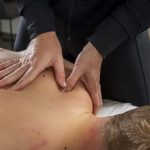
When Should You See a Physiotherapist for Back Pain?
Back pain can affect everyday activities, work, exercise and sleep. While mild…


Apr 26, 2023

Sports physiotherapy is a specialised area of physiotherapy that helps athletes and physically active individuals manage sports-related injuries, improve movement, build physical capacity and return to activity safely. It combines clinical assessment, exercise-based rehabilitation, strength training, movement analysis and, where appropriate, hands-on treatment.
Sports place repeated physical demands on muscles, joints, tendons and ligaments. The body needs sufficient strength, mobility, coordination and recovery time to adapt to these demands. When training intensity increases too quickly, recovery is inadequate or an injury is not properly rehabilitated, the risk of physical problems can increase.
Sports physiotherapy addresses these factors through an individualised approach based on a person’s physical condition, activity level, injury history and sporting requirements.
Sports physiotherapy helps the body prepare for, tolerate and recover from physical activity. It focuses on the physical requirements of a particular sport while addressing limitations that may affect movement and function.
Its main objectives include:
Improving muscle strength and endurance.
Developing mobility, balance and coordination.
Improving movement control during physical activity.
Managing sports-related pain and injuries.
Supporting recovery following injury or intensive training.
Helping individuals return to sport safely.
Physiotherapy does not guarantee injury prevention. However, structured exercise programmes, appropriate training loads and rehabilitation can help reduce certain injury risks and improve physical capacity.
Strength is an important component of sports performance. Muscles generate the force required for running, jumping, lifting, changing direction and maintaining body control during physical activity.
Sports physiotherapy can help identify strength limitations and develop exercises that address the physical demands of a particular sport.
A physiotherapist may recommend:
Strength training: Exercises that improve the ability of muscles to produce force.
Muscular endurance training: Activities that help muscles sustain repeated contractions.
Balance exercises: Training that develops postural control and stability.
Functional exercises: Movements that reflect the physical requirements of everyday activities or specific sports.
Progressive resistance training: Gradually increasing exercise difficulty as physical capacity improves.
Balanced conditioning is important because sports often involve repeated movements and specific muscle groups. Training should also address supporting muscles, joint control and movement patterns.
However, muscle imbalances do not automatically cause injuries. Their significance depends on the individual, the activity and other contributing factors.
Recovery should also be considered when planning a training programme. Adequate rest, sleep, nutrition and appropriate training intensity allow the body to adapt to exercise.
Movement technique affects how the body manages physical forces during sports activities. Running, jumping, lifting and changing direction require coordination between muscles, joints and the nervous system.
A sports physiotherapist can assess how a person performs specific movements and identify limitations in strength, mobility, balance or coordination.
An assessment may include:
Joint range of motion.
Muscle strength and endurance.
Balance and postural control.
Walking, running or sport-specific movement patterns.
Functional movements such as squatting, jumping and landing.
Based on the findings, the physiotherapist may recommend exercises to improve movement control and physical capacity.
Good technique is not necessarily one fixed posture or movement pattern. It depends on the activity, individual anatomy, physical capacity and training demands.
Improving movement control can help individuals perform activities more efficiently and manage physical loads. It should be combined with appropriate conditioning and gradual progression rather than relying on technique correction alone.
Sports injury prevention focuses on identifying modifiable risk factors and improving the body’s ability to tolerate physical activity.
A physiotherapist may consider several factors when assessing an athlete, including:
Previous injuries.
Current pain or physical limitations.
Muscle strength and endurance.
Joint mobility.
Balance and coordination.
Training frequency and intensity.
Recovery between sessions.
Previous injury is an important consideration because returning to sport before sufficient strength and function have been restored can increase the risk of another injury.
Depending on the assessment, a physiotherapist may develop a programme involving progressive strengthening, balance training, neuromuscular exercises and sport-specific conditioning.
Training load management is also essential. Increasing exercise intensity, duration or frequency too quickly can exceed the body’s current capacity to adapt.
Hands-on treatments, including soft tissue techniques and myofascial release, may help manage certain symptoms. However, they should not replace appropriate strengthening, conditioning and rehabilitation when these are needed.
Recovery allows the body to adapt to physical activity. Training creates demands on muscles and other tissues, so sufficient recovery time is necessary before repeating high-intensity exercise.
Sports physiotherapy can support recovery through exercise guidance, activity modification and selected hands-on treatments.
Depending on individual needs, treatment may include:
Gentle mobility exercises.
Stretching where appropriate.
Progressive strengthening.
Massage and soft tissue techniques.
Advice on training volume and recovery periods.
Deep tissue massage may temporarily reduce the sensation of muscle tightness and post-exercise soreness in some individuals. However, it does not directly repair damaged muscle tissue or guarantee faster recovery.
Massage is therefore best considered an optional part of a broader recovery programme rather than a replacement for exercise, adequate sleep and appropriate rest.
Individuals looking for deep tissue massage near me should consider whether the treatment is appropriate for their symptoms and physical condition.
Sports physiotherapy also plays an important role in managing injuries and restoring physical function.
Common conditions treated through sports rehabilitation include:
Muscle strains: Injuries involving overstretching or tearing of muscle fibres.
Ligament sprains: Injuries involving the ligaments that connect bones and support joints.
Tendon injuries: Conditions involving tendon pain and reduced load tolerance.
Joint injuries: Problems affecting structures such as the knee, ankle, shoulder and hip.
Overuse injuries: Conditions that develop when repeated physical loading exceeds the body’s ability to recover and adapt.
Treatment depends on the type, severity and stage of the injury. A physiotherapist may use exercise-based rehabilitation, movement training, activity modification and selected manual therapy techniques.
A rehabilitation programme commonly progresses through several stages:
Symptom management: Modifying activities and managing pain or swelling where present.
Restoring movement: Improving joint mobility and functional movement.
Rebuilding strength: Gradually increasing muscle strength and the ability to tolerate physical loads.
Developing sport-specific capacity: Introducing movements such as running, jumping, acceleration and direction changes when appropriate.
Return to sport: Assessing whether the individual has regained the strength, function and confidence required for their activity.
Returning to sport should not depend on pain levels alone. Strength, movement quality, functional performance and the demands of the sport should also be considered.
Some injuries require medical assessment or imaging. A physiotherapist may refer an individual to an appropriate medical professional when further investigation is necessary.
Sports physiotherapy is suitable for people with different activity levels. It is not limited to professional athletes or individuals recovering from injuries.
It may benefit:
Professional athletes: Individuals who need rehabilitation and conditioning to meet competitive sporting demands.
Recreational athletes: People participating in running, cycling, swimming, football and other sports.
Gym users: Individuals who want to improve strength, movement and exercise tolerance.
Active adults: People experiencing physical discomfort or limitations during regular activities.
Individuals recovering from injuries: Those who need structured rehabilitation before returning to exercise or sport.
An injury is not always necessary to seek physiotherapy. An assessment can also help identify physical limitations and guide an appropriate exercise programme.
Sports physiotherapy in Dubai can help active individuals manage injuries, improve physical function and work towards their training goals.
At Scandinavian Physiotherapy Centre DMCC, treatment is based on individual assessment and the person’s physical needs.
Depending on the condition, physiotherapy may involve:
Movement and functional assessments.
Strength and conditioning exercises.
Sports injury rehabilitation.
Mobility and flexibility exercises.
Manual therapy and soft tissue treatment.
Guidance on activity modification and return to sport.
A physiotherapist can recommend an appropriate treatment plan after assessing the individual’s symptoms, physical capacity and activity requirements.
Sports physiotherapy supports physical performance, injury management and recovery through assessment and evidence-based rehabilitation.
Its main focus is to improve strength, mobility, coordination and the ability to tolerate physical activity. For individuals recovering from injuries, it provides a structured approach to restoring function and returning to sport.
Combining appropriate training, progressive exercise, effective recovery and professional guidance can help athletes and active individuals maintain physical capacity and participate in sports more confidently.