When Should You See a Physiotherapist for Back Pain?
Back pain can affect everyday activities, work, exercise and sleep. While mild…


Sep 30, 2022

Joint health plays an important role in maintaining mobility, physical strength, and independence. Healthy joints allow the body to move comfortably during everyday activities, including walking, climbing stairs, bending, and exercising. However, factors such as ageing, inactivity, excess body weight, repetitive movements, previous injuries, and muscle weakness can affect joint function over time.
Although some age-related changes are natural, regular physical activity, appropriate exercise, and good lifestyle habits can help maintain joint health and reduce the risk of certain musculoskeletal problems.
Physiotherapy can also help individuals understand how to exercise safely, improve joint mobility, and strengthen the muscles that support the joints. A physiotherapist can assess an individual’s physical condition, identify movement limitations, and recommend exercises based on their needs and activity levels.
The following strategies can help protect your joints while maintaining an active lifestyle.
Regular movement helps maintain joint mobility, muscle strength, and flexibility. Prolonged inactivity can contribute to joint stiffness and reduced movement, particularly in the knees, hips, shoulders, and back.
For people who spend several hours sitting at a desk or working from home, taking regular movement breaks can help reduce stiffness. Standing up, walking for a few minutes, changing positions, and performing gentle mobility exercises are simple ways to remain active throughout the day.
Movement should be appropriate for your physical condition. If you experience discomfort when performing certain activities, a physiotherapist can recommend suitable exercises and modifications.
Maintaining consistent physical activity is generally more beneficial than relying on occasional intense workouts.
Exercise helps strengthen the muscles that support your joints. However, performing repetitive movements, increasing workout intensity too quickly, or using incorrect techniques can place unnecessary stress on muscles and joints.
If you experience persistent discomfort during or after exercise, consider modifying the activity rather than continuing through the pain.
A physiotherapist can assess your movement patterns, muscle strength, flexibility, and joint mobility to identify possible contributing factors. Based on the assessment, they may recommend changes to your exercise routine, strengthening exercises, or rehabilitation techniques.
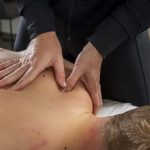
Some individuals may also benefit from manual therapy or sports massage to address associated muscle tension. However, these treatments should complement an appropriate rehabilitation programme rather than replace exercises that improve strength and joint function.
Nutrition contributes to overall musculoskeletal health. A balanced diet provides the nutrients needed to maintain healthy bones, muscles, and other tissues that support joint function.
Include a variety of foods in your daily diet, such as:
Omega-3 fatty acids: Found in oily fish, walnuts, chia seeds, and flaxseeds. Omega-3 fats have anti-inflammatory properties.
Protein: Found in eggs, fish, poultry, beans, and dairy products. Protein supports muscle maintenance and repair.
Calcium: Found in dairy products, fortified foods, and some leafy green vegetables. Calcium supports bone health.
Vitamin D: Helps the body absorb calcium and maintain healthy bones. Sources include oily fish, fortified foods, and appropriate sunlight exposure.
Fruits and vegetables: Provide vitamins, minerals, and antioxidants that support general health.
Maintaining a healthy body weight is also important. Excess body weight increases mechanical stress on weight-bearing joints, particularly the knees and hips.
Low-impact exercises allow you to improve cardiovascular fitness, strength, and mobility while generally placing less repetitive impact on your joints than activities such as running or jumping.
The most suitable exercise depends on your fitness level, existing injuries, and physical limitations.
Swimming and water aerobics
Water-based exercises reduce the effects of gravity on the body, making movement easier for people who experience discomfort during weight-bearing activities. Swimming and water aerobics can improve cardiovascular fitness and muscle endurance.
Cycling
Stationary and outdoor cycling provide cardiovascular benefits while allowing controlled, repetitive movement of the knees and hips. Adjusting the seat height and resistance can help make cycling more comfortable.
Walking
Walking is a practical way to maintain mobility and improve cardiovascular health. Start with a manageable distance and gradually increase your walking time according to your ability.
Yoga and Pilates
These activities can improve flexibility, balance, posture, and muscular strength. Exercises should be modified when necessary to avoid positions that place excessive pressure on painful joints.
Tai Chi
Tai Chi involves controlled movements and weight shifting. It can help improve balance, coordination, and functional mobility.
Isometric exercises
Isometric exercises involve contracting a muscle without noticeably changing the joint angle. Examples include static quadriceps contractions and wall sits. These exercises can help maintain muscle strength when selected and performed at an appropriate level.
Correct exercise techniques help distribute physical loads appropriately and reduce unnecessary stress on joints.
Consider the following practices:
Warm up before exercising: Spend approximately 5–10 minutes performing light activity and controlled movements to prepare your muscles and joints.
Maintain proper posture: Use appropriate body alignment when lifting weights, bending, walking, or performing resistance exercises.
Avoid sudden increases in intensity: Increase exercise duration, resistance, and frequency gradually to allow your body to adapt.
Wear appropriate footwear: Choose comfortable shoes that provide suitable support for your activity.
Allow recovery time: Give your muscles and joints adequate time to recover between demanding exercise sessions.
Pay attention to pain: Stop or modify an exercise if you experience sharp, increasing, or unusual joint pain.
Exercise should challenge your muscles without causing unnecessary joint discomfort.
Certain exercise habits can increase the risk of joint irritation or injury, particularly when the body is not adequately prepared.
Common mistakes include:
Doing too much too soon: Increasing exercise intensity or duration too quickly can overload muscles and joints.
Ignoring persistent pain: Continuing activities despite recurring pain may aggravate an existing problem.
Skipping warm-ups: Starting intense exercise without preparation can increase the likelihood of muscle and joint injuries.
Repeating the same movements: Repetitive activities without sufficient recovery can contribute to overuse injuries.
Ignoring muscle weakness: Weak muscles may provide insufficient support during certain movements and physical activities.
High-impact activities such as running, jumping, and certain court sports are not necessarily harmful to healthy joints. However, individuals with existing injuries or joint conditions may need to adjust the intensity, frequency, or type of activity.
Joint pain, stiffness, and restricted movement can have different causes. These may include muscle weakness, overuse, previous injuries, inflammatory conditions, and age-related joint changes.
A physiotherapy assessment can help identify movement limitations and determine which exercises or treatments may be appropriate.
Consider consulting a physiotherapist if you experience:
Persistent joint pain during everyday activities.
Recurrent stiffness or reduced joint mobility.
Discomfort during or after exercise.
Difficulty walking, climbing stairs, or bending.
Reduced muscle strength following an injury.
Repeated joint discomfort that affects your physical activities.
Seek prompt medical assessment if joint pain is accompanied by significant swelling, redness, warmth, fever, or sudden inability to bear weight.
Protecting your joints requires consistent physical activity, appropriate exercise techniques, muscle strengthening, and healthy lifestyle habits. The goal is not to avoid movement but to choose activities that support joint function without placing unnecessary stress on the body.
At Scandinavian Physiotherapy Centre DMCC, physiotherapy programmes are tailored to individual movement limitations, physical conditions, and rehabilitation goals. Treatment may include therapeutic exercises, manual therapy, mobility training, and other appropriate rehabilitation techniques.
If you experience recurring joint discomfort or want professional guidance on maintaining joint mobility and strength, consider booking a physiotherapy assessment.
For individuals looking for sports massage in Dubai Marina, professional assessment can also help determine whether sports massage is an appropriate addition to their recovery and physical activity programme.