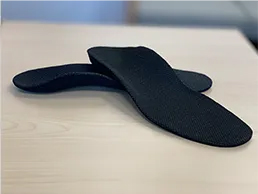
Foot Orthotics
Foot orthotics are shoe inserts designed to improve foot function, correct alignment, and distribute pressure more evenly across the foot. They help reduce pain and strain during daily activities such as standing, walking, and running. Orthotics are commonly used in physiotherapy to manage conditions like flat feet, plantar fasciitis, and diabetes-related foot problems.
Orthotics work by supporting the natural arches of the foot and controlling excessive or abnormal movement. By improving foot mechanics, they reduce stress on muscles, joints, and ligaments. This improved alignment can also relieve symptoms higher up the body, including pain in the ankles, knees, hips, and lower back.
Foot orthotics are effective in managing a wide range of conditions. These include plantar fasciitis (heel pain), over-pronation, flat feet, high arches, hammertoes, bunions, and lower back or knee pain caused by poor biomechanical alignment.
There are two main types of orthotics: custom-made and off-the-shelf. Custom orthotics are fabricated using a 3D scan or cast of the foot and are designed to address individual biomechanical needs. Off-the-shelf orthotics are pre-shaped, readily available, and provide general arch support with immediate relief for mild to moderate symptoms.
Orthotics are made from various materials depending on the level of support required. Rigid materials provide maximum control, semi-rigid designs balance support and flexibility, and soft cushioning foams offer pressure relief and comfort.
The custom orthotic process usually includes a clinical assessment, gait analysis, and a 3D foot scan or cast, followed by fabrication. Research shows that orthotics can significantly reduce pain, with studies reporting up to 85–89% relief in plantar fasciitis, while also improving stability, posture, and injury prevention.